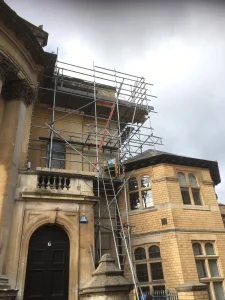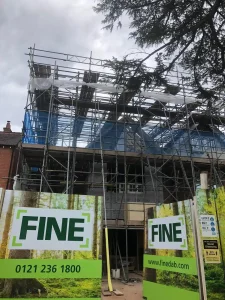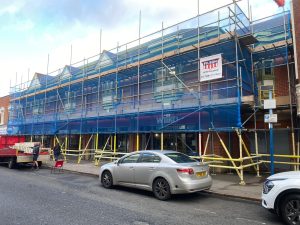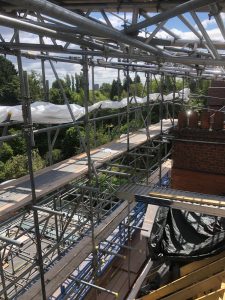
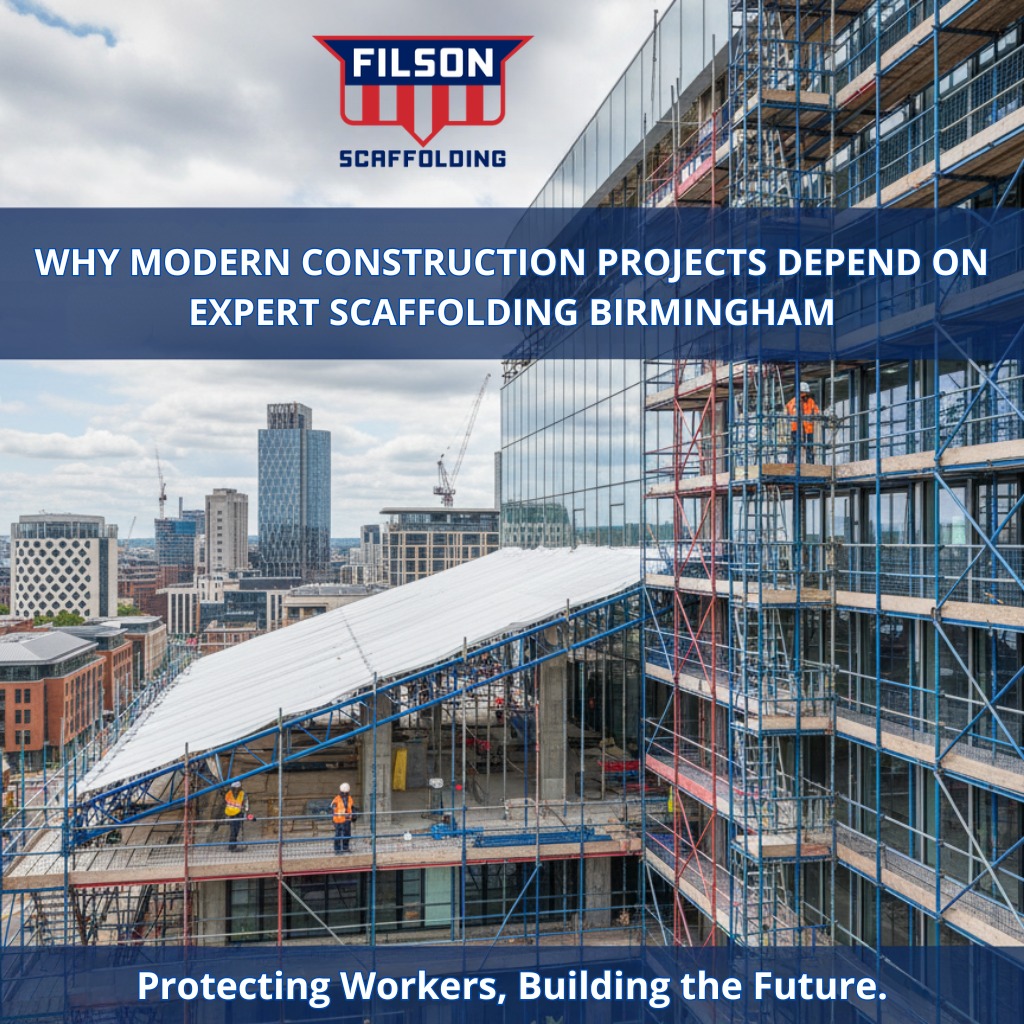
Construction sites in Birmingham have changed a lot. New towers rise across the skyline. Older buildings also get repairs. Roads and public projects keep growing. Work happens everywhere. Yet every site faces the same challenge. Workers must reach high places safely.
This is where scaffolding Birmingham becomes essential. It gives workers stable platforms. They can move freely. They can also carry tools safely. Without proper access, work slows down. Risk also increases. Ladders are not enough. Large projects need stronger support systems.
Safety reports show a clear concern. Falls from height remain a major cause of construction injuries. Nearly half of fatal accidents involve work above ground level. This shows why safe access matters on busy sites.
This guide explains the role of professional scaffolding. You will see how good systems improve safety. They also help work move faster. Site owners can manage projects with greater confidence. Proper scaffolding supports both workers and the building process.
Table of Contents
The Growing Demand for Scaffolding in Birmingham Modern Construction
In Birmingham, construction continues to expand. You might have noticed several residential developments, retail upgrades, and commercial sites. This increases the demand for reliable scaffolding structures.
Large projects require safe access across multiple building levels. Workers must move materials and equipment safely. Without proper scaffolding, construction slows down.
Many builders now recognise that expert scaffolding Birmingham services improve both productivity and safety on site.
Why This Matters for Construction Site Owners
Construction sites carry real risk. As a site owner, safety is your duty. Workers must reach heights safely. Poor access creates danger and slows progress. This is why scaffolding in Birmingham matters on busy sites. Here are the benefits you can get from professional scaffolding:
- Stable work platforms – Your workers can stand securely while completing tasks at height.
- Efficient material movement – You can easily move Tools and equipment between levels.
- Better site visibility – Teams can inspect walls, roofs, and other structural areas.
- Higher worker productivity – Safe access helps workers complete tasks faster.
- Lower accident risk – Guardrails and barriers help prevent falls.
When scaffolding is planned well, construction work becomes safer, and projects move forward without unnecessary delays.
How Professional Scaffolding Contractors Birmingham Improve Construction Safety
Building sites carry risks. If you manage a project in this city, you already know that. Bringing in local experts isn’t just about renting gear. It is about handing a complex problem to people who solve it daily. The Health and Safety Executive (HSE) mandates that any work above ground level needs proper planning. These contractors handle that burden for you. They look at your site, spot the challenges, and build a solution that keeps things moving.
Meeting UK Safety Standards on Construction Sites
The law you need to know is the Work at Height Regulations 2005. It governs everything. A good crew doesn’t just show up and stack tubes. They ensure the person building the scaffold holds the right competence for the task.
That is a direct HSE requirement to stop falls before they happen. Once it is up, you cannot just use it. An inspection is the law. It happens right after installation and then every seven days after that.
These checks are carried out by someone trained to spot what you might miss. They also think about the weather or a weak roof that could collapse during setup. It is about keeping your site out of trouble and your people working.
Protecting Workers and the Public
A proper scaffold gives your team a stable floor to stand on. That confidence matters when they are carrying materials or focusing on tricky brickwork. You also get guardrails fitted automatically. Toe boards go on, too.
They stop a loose brick or a hammer from falling forty feet onto a public footpath. That is how you protect the people walking their kids past your gate. Pick the right scaffolding contractors Birmingham has, and they know the numbers.
If your build touches the pavement, they keep a clear path. The HSE asks for 2.6 metres of headroom above the walkway. That keeps a passerby safe from a low beam. It is the small details like that which prevent a bad day for everyone.
Types of Scaffold Birmingham Used on Construction Sites
Each construction project is different. Buildings vary in size and height. Some sites are simple. Others are complex.
Because of this, builders use different scaffolding systems. The right structure depends on the work being done. It also depends on the building design and site space.
Experienced teams study these details first. They review the project carefully. Then they choose the most suitable scaffold Birmingham setup for safe and efficient work.
Common Scaffolding Systems Used in Construction
Several types of scaffolding appear on modern sites. Here are common scaffolding systems used in construction:
| Scaffolding Type | Best Used For | Key Advantage |
| Independent scaffolding | Brickwork and general construction | Strong and stable structure |
| Cantilever scaffolding | Buildings with limited ground space | Provides access without ground support |
| Mobile scaffolding | Interior construction and repairs | Easy to move between work areas |
| Suspended scaffolding | High-rise maintenance work | Ideal for tall structures |
| Temporary roof scaffolding | Weather protection during renovation | Prevents project delays |
Each system supports different construction tasks. Choosing the correct structure improves both safety and efficiency.
When Temporary Roof Systems Become Essential
Weather conditions often delay construction work. Rain, wind, and snow can damage materials and create unsafe conditions. This is where scaffolding temporary roof systems becomes extremely valuable.
Temporary roof structures help by:
- Protecting buildings during renovation
- Preventing water damage to materials
- Allowing work to continue in poor weather
- Improving worker safety during roof repairs
- Reducing costly construction delays
For example, consider a roofing project on a residential building during winter. Without a temporary roof, rain could stop work for days. With proper scaffolding coverage, teams can continue safely.
How Expert Scaffolding Birmingham Improves Project Efficiency
Scaffolding does more than keep people safe. It also keeps a project moving. Good access lets workers do their jobs without hassle. They can reach any part of the building quickly. This simple fact makes daily work much easier.
In Birmingham, expert scaffolding supports this flow. Strong platforms let people work on different levels at once. They can bring their tools right with them. There is no need to climb up and down ladders all day. Work simply carries on without stopping.
Why Access Planning Matters for Project Timelines
How you plan access decides how fast you finish. Poorly placed platforms create problems. Workers waste time moving gear from one spot to another. These small stops add up. Soon, the whole project runs behind.
Smart planning fixes this. Good scaffolding lets different teams work at the same time. Bricklayers can be on one level. Electricians can work above them. Roofers can be at the very top. No one gets in the way. The work stays steady and on track.
How to Plan Scaffolding for Better Efficiency
A site runs best when you think about access early. A little planning ahead stops big headaches later. Start planning during the design phase. This helps you put platforms exactly where crews need them.
Talk to all the trades involved. Make sure the scaffolding works for electricians, roofers, and builders alike. Set up safe spots for materials. Workers need a place to keep their tools while they work. Put entry points in useful places.
Good routes save time moving between levels. Be ready to adjust as the job changes. A building project shifts over time, and the scaffold may need to shift too. Use covers for bad weather. Simple protection lets people keep working even when it rains. These steps help keep everything organised and on schedule.
Real-World Example
A job in Birmingham city centre proves this point. The team had to fix the outside walls of a building and put on a new roof. Several crews needed to work on different parts at the same time.
They set up scaffolding around the whole building. Everyone could move around safely. Bricklayers fixed the walls while roofers worked above them. The painters moved in after. Because access was easy, the work never slowed down. The whole project finished ahead of schedule.
Conclusion
Construction projects often involve work at height. Workers need safe ways to reach walls, roofs, and upper levels. Strong access systems make this possible. Without them, work becomes slower and the risk increases.
This is why scaffolding Birmingham remains important for modern building work. Good scaffolding gives workers stable platforms. It helps them move safely around the structure. Tasks become easier to complete.
Site owners also benefit from proper planning. Well-designed scaffolding keeps projects organised. Teams can work on different levels at the same time. This improves productivity and reduces delays.
It also supports safety rules. When access systems are stable and secure, workers face fewer hazards. Projects continue with fewer interruptions.
If you are starting a construction project, review access needs early. Careful planning helps avoid problems later. The right scaffolding setup can make work safer, smoother, and easier to manage.
FAQs
1. What is scaffolding and why is it important for construction projects?
It is a temporarily raised platform. It lets builders safely reach high parts of a building with their tools.
2. Do all construction projects require scaffolding in Birmingham?
No. Small ground-level work may not need it. But any job on a roof or high wall usually will.
3. How often should scaffolding be inspected?
After it is built, then every seven days. Also, check it right after a big storm hits.
4. What is temporary roof scaffolding used for?
It protects an open roof from rain and wind. This lets workers keep going no matter the weather.